The Steel House India stands as an established manufacturer, stockholder, and certified global exporter of heavy-duty ASTM A276 and ASTM A479 AISI 310 Stainless Steel Round Bars. Operating a centralized stockyard and cutting-edge distribution facility in Mumbai, Maharashtra, we maintain an extensive inventory of high-alloy austenitic solid profiles tailored specifically for intense, high-temperature industrial environments. Grade 310, also recognized under the international standard classifications UNS S31000 and WNR 1.4845, is meticulously engineered with a high-chromium and high-nickel matrix. This unique metallurgical composition delivers unparalleled oxidation resistance at continuous temperatures scaling up to 1150°C, effectively preventing structural scaling, thermal deformation, and high-temperature gas corrosion in extreme operations.
Our commercial processing center is fully equipped to serve heavy-industry procurement divisions, furnace fabricators, petrochemical plant managers, and global engineering contractors. The active stock configurations available at our warehouse range from micro-precision 3mm cold-drawn bright wire up to 800mm heavy-forged structural shafts. Sourced exclusively from premium, VOD/AOD refined steel billets with verifiable material tracking, our authentic SS 310 solid bars are offered at a competitive baseline wholesale rate starting from ₹380/Kg. The final cost depends on the total order volume, requested dimensions, and custom surface finishing parameters.
📊Request an Instant Commercial Quote: Because global metal market pricing is directly tied to the daily price fluctuations of raw nickel and chromium spot surcharges, our final commercial invoices adapt dynamically based on order tonnage, custom centerless grinding metrics, and saw-cutting profiles. Contact our central Mumbai sales office today for a real-time, custom-tailored bulk contract quotation.
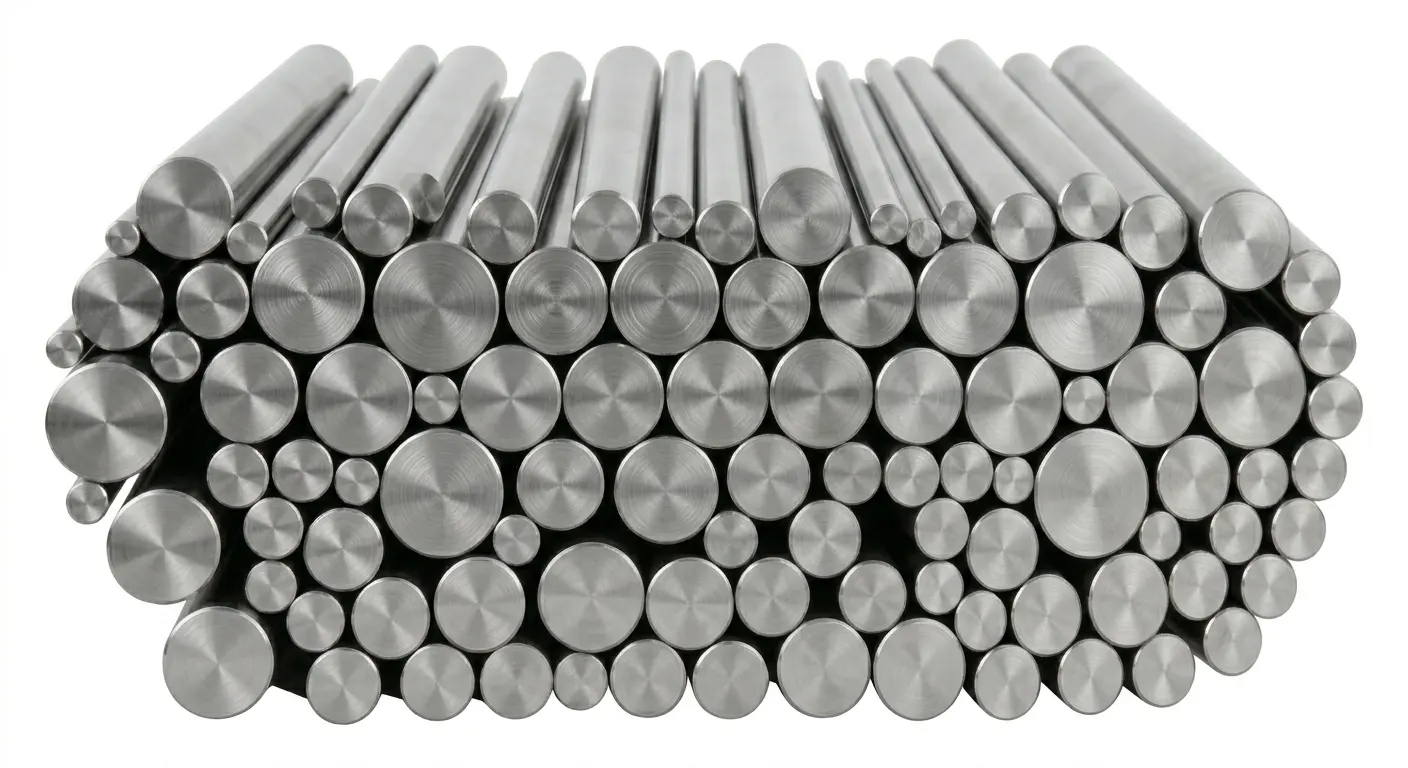
Leading Manufacturer and Stockist of High-Alloy AISI 310 Stainless Steel Round Bars in India
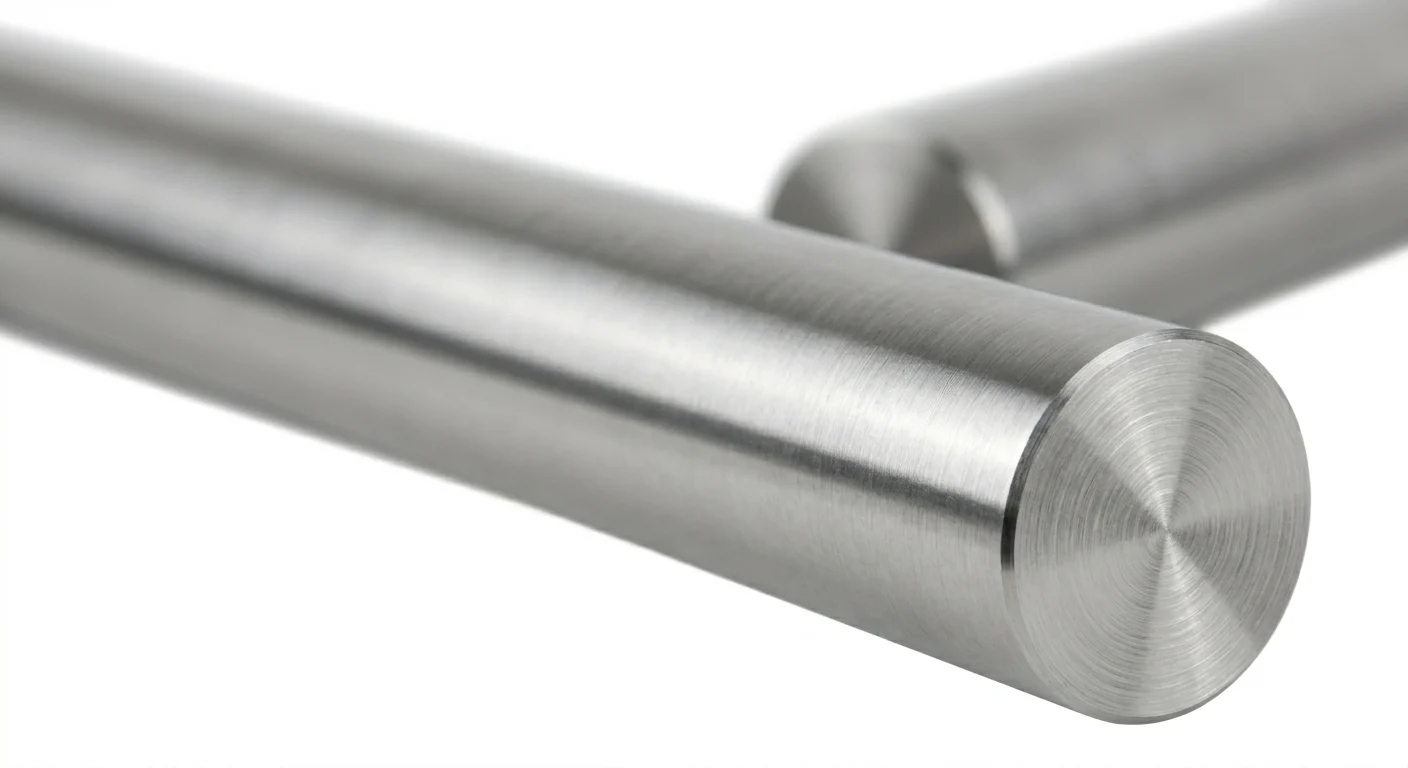
Premium Cold-Drawn and Centerless Ground 310 Stainless Steel Solid Rods Available Directly from Mumbai Stockyard
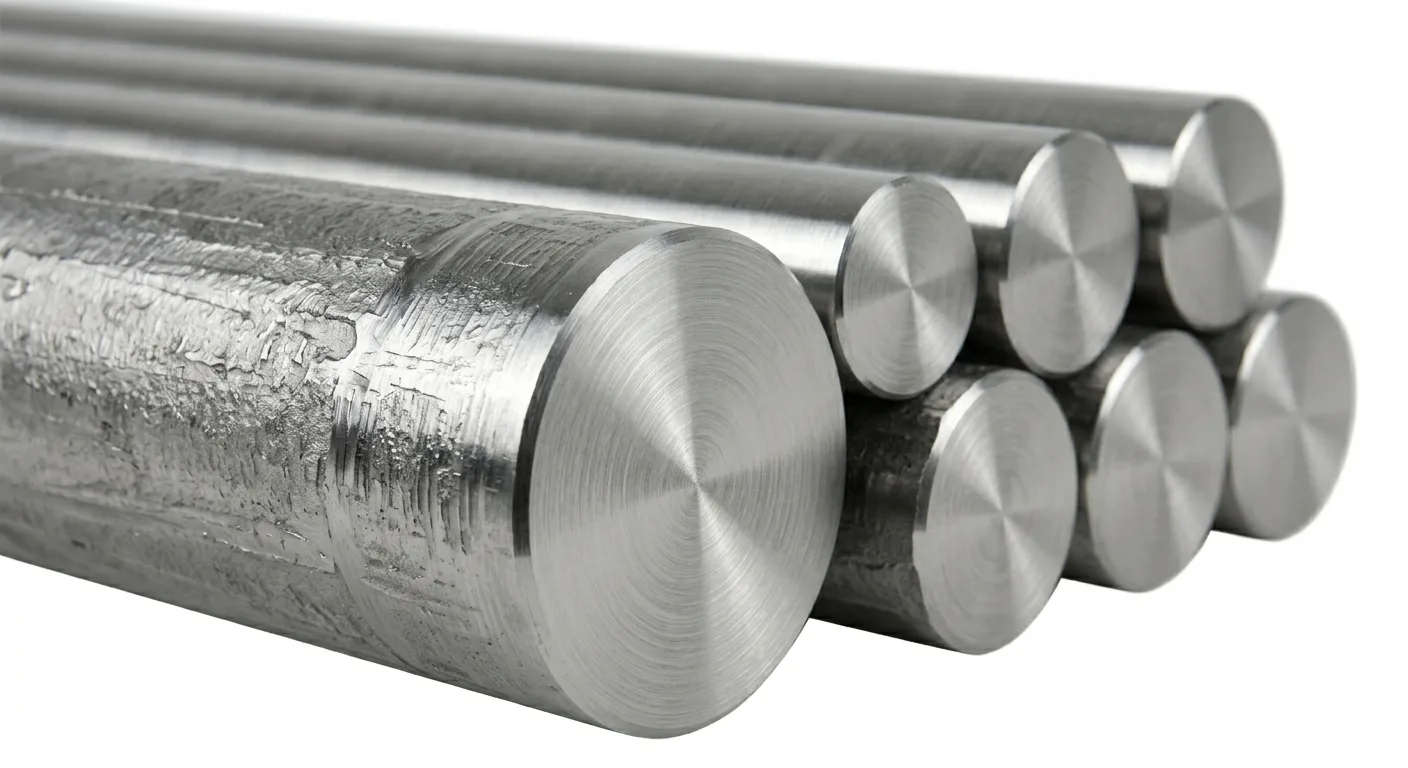
Fully Traceable UNS S31000 / WNR 1.4845 Stainless Steel Bars Dispatched with Complete EN 10204 3.1 Mill Certification
Buy Premium AISI 310 Solid Rods Directly from Mumbai Stockyard
By sourcing your high-temperature alloys directly from The Steel House India, you completely bypass middle-tier trading margins and gain direct access to fast regional and international fulfillment paths. Our strategic presence in Maharashtra enables streamlined logistics, allowing our internal freight teams to coordinate rapid domestic shipping across India's core engineering corridors and streamlined international ocean export via nearby major deepwater ports.
Complete Range of Available Surface Finishes
Different engineering layouts, complex machining operations, and high-temperature furnace designs require distinct surface topologies to properly interface with structural components, seal boundaries, or high-vacuum weldments.
■ Cold Drawn (Bright Finish):
This finish exhibits sharp dimensional accuracy combined with a smooth,
highly reflective outer surface layer. It is excellent for direct loading
into high-speed CNC automated lathes, significantly minimizing custom setup
times during mass production runs.
■ Centerless Ground & Polished:
Engineered specifically for micro-precision operations, this option offers
exceptionally tight h8 to h11 diameter tolerances. The grinding process
completely eliminates surface decarburization layers, ensuring uniform
structural hardness across the entire cross-section of the shaft.
■ Rough Peeled / Smooth Turned:
The outer mill skin is systematically stripped away down to a sound,
defect-free metallurgical core. This method is typically utilized for
heavy-diameter forged shafts destined for secondary forging, heavy
machining, or critical structural re-processing.
■ Black Hot Rolled:
Supplied directly from the mill infrastructure following standard hot
rolling and industrial descaling treatments. It is best suited for
structural framing, internal furnace reinforcement, or basic components
where secondary machining or high-aesthetic visual finishes are not
required.
Why Engineering Procurement Teams Trust The Steel House India
Procuring high-alloy materials for thermal processing equipment requires a
dependable supplier capable of backing physical material claims with
verifiable testing infrastructure. We eliminate supply-chain risks for your
facility through three rigid quality evaluation metrics:
1. Positive Material Identification (PMI):
Our internal quality desk subjects every single incoming and outgoing
production batch to handheld PMI spectrometer testing. This process
guarantees that the high chromium (24% to 26%) and high-nickel content (19%
to 22%) are perfectly distributed throughout the metal matrix, preventing
premature oxidation failure or unexpected brittle snapping under heavy
thermal loads.
2. EN 10204 3.1 Traceability Compliance:
Every shipment dispatched from our warehouse facility is accompanied by
authentic Mill Test Certificates (MTC). This standard industry documentation
provides full trace-history transparency back to the original furnace heat
number, specifying exact chemical analysis breakdowns, raw mechanical
elongation thresholds, and non-destructive ultrasonic testing outcomes.
3. Heavy Freight Transit Protection:
Cold-drawn and centerless ground rods feature precise surface finishes
required for exact machining clearances, making them highly vulnerable to
surface scratches during freight forwarding. Our dedicated Mumbai logistics
desk ensures that all bars are bundled face-to-face to prevent friction,
wrapped tightly in moisture-resistant HDPE plastic, and securely packed in
rigid wooden crates or steel-banded pallets.
Technical Specifications & Grade Profile
The engineering reference tables below outline the structural metrics, international standard naming conventions, and mechanical properties adhered to by The Steel House India.
1. Manufacturing Scope and Standard Compliance
| Manufacturing Feature | Operational Parameter & Standard Baseline |
|---|---|
| Material Specifications | ASTM A276, ASTM A479, ASME SA276, ASME SA479 |
| International Standards | EN, DIN, JIS, ASTM, BS, ASME, AISI, IS, GOST |
| Diameter Sizing Range | 3mm to 800mm (Standard Metric & Imperial Sizing Available) |
| Dimensional Tolerances | h8, h9, h10, h11, h12 / k9, k10, k11, k12 (Conforming to ASTM A484) |
| Value-Added Processing | Production Bar Cutting, Centerless Grinding, Turn/Ground/Polishing, Chamfering |
2. International Material Grade Equivalents
| Standard Grade | UNS Designation | Werkstoff Number (WNR) | British Standard (BS) | Euronorm (EN) |
|---|---|---|---|---|
| AISI 310 | UNS S31000 | 1.4845 | 310S24 | X15CrNiSi25-21 |
3. Chemical Composition Limits (% by Weight)
| Element | Certified Value Limit | Element | Certified Value Limit |
|---|---|---|---|
| Chromium (Cr) | 24.00 - 26.00% | Nickel (Ni) | 19.00 - 22.00% |
| Manganese (Mn) | 2.00% max | Silicon (Si) | 1.50% max |
| Carbon (C) | 0.25% max | Phosphorus (P) | 0.045% max |
| Sulfur (S) | 0.030% max | Iron (Fe) | Balance Matrix |
4. Mechanical & Physical Property Profile
| Mechanical Property Parameter | Certified Minimum Value Threshold |
|---|---|
| Ultimate Tensile Strength | 75,000 psi (515 MPa Minimum) |
| Yield Strength (0.2% Offset) | 30,000 psi (205 MPa Minimum) |
| Elongation Percentage (in 50mm) | 40% Minimum Elongation Capacity |
| Brinell Hardness (HB) | 217 Maximum Hardness Value |
| Melting Point Profile | 1400°C - 1402°C (For High-Thermal Environments) |
Sizing Matrix & Theoretical Weight Reference Formula
To determine the precise theoretical mass of a stainless steel solid
round bar per linear meter for logistics planning, ocean freight
container loading, and site material handling, engineers utilize the
following geometric constant formula:
$$\text{Diameter (mm)} \times \text{Diameter (mm)} \times 0.00623 =
\text{Weight in Kilograms per Meter (Kg/m)}$$
| Diameter Sizing (mm) | Theoretical Weight (Kg/m) | Diameter Sizing (mm) | Theoretical Weight (Kg/m) |
|---|---|---|---|
| 6 mm | 0.22 Kg/m | 28 mm | 4.88 Kg/m |
| 8 mm | 0.40 Kg/m | 32 mm | 6.38 Kg/m |
| 10 mm | 0.62 Kg/m | 36 mm | 8.07 Kg/m |
| 12 mm | 0.90 Kg/m | 40 mm | 9.97 Kg/m |
| 14 mm | 1.22 Kg/m | 45 mm | 12.62 Kg/m |
| 16 mm | 1.60 Kg/m | 50 mm | 15.58 Kg/m |
| 18 mm | 2.02 Kg/m | 60 mm | 22.43 Kg/m |
| 20 mm | 2.49 Kg/m | 65 mm | 26.32 Kg/m |
| 22 mm | 3.02 Kg/m | 75 mm | 35.04 Kg/m |
| 25 mm | 3.89 Kg/m | 100 mm | 62.30 Kg/m |
Strategic Applications Across Industrial Sectors
| Target Industry | Component Deployment | Structural Utility |
|---|---|---|
| Thermal Processing & Furnaces | Radiant tubes, muffle linings, furnace structural supports, burner tips, and heat exchangers. | Maintains microstructural integrity and structural geometry under continuous high-temperature loads up to 1150°C. |
| Petrochemical & Refining Plants | Fluid catalytic cracking units (FCCU), thermo-wells, recovery systems, and internal vessel liners. | Prevents internal component failure when exposed to sulfurous and hot hydrocarbon process gasses. |
| Power Generation & Energy | Boiler components, coal gasifier components, steam superheaters, and heavy turbine exhaust casings. | Resists continuous thermal oxidation, gas corrosion, and structural creep under heavy pressure profiles. |
Frequently Asked Questions (FAQ)
1. What is the main difference between 310 and 304 Stainless Steel Round Bars?
Grade 310 offers far superior oxidation and scaling resistance at high temperatures (continuous service up to 1150°C) due to higher chromium (24-26%) and nickel (19-22%) content. Grade 304 is suitable only up to ~870°C intermittent and will scale or weaken in continuous high-heat environments.
2. What is the difference between 310 and 310S?
310S has lower carbon (max 0.08%) making it better for applications involving welding or slow cooling to reduce carbide precipitation. Standard 310 provides higher creep strength for structural high-temperature use. We stock both — tell us your operating conditions for the right choice.
3. Do you provide Mill Test Certificates?
Yes. Every order comes with EN 10204 3.1 MTC containing heat number, chemical composition, mechanical properties, and testing results. We also perform PMI testing on every batch.
4. Can you supply custom cut lengths?
Yes. We cut bars to your exact required lengths using automatic band saws. This reduces wastage and saves machining time at your end. Standard lengths are 3–6 meters.
5. What is the maximum continuous operating temperature for Grade 310?
Up to 1150°C in oxidizing atmospheres. It maintains excellent strength and resists scaling in furnaces, petrochemical plants, and power generation equipment.
Comparative Overview: Grade 310 vs. Grade 316L
While both are high-performance austenitic stainless steels, their metallurgical properties are tailored for different operational environments. The table below highlights the primary functional differences:
| Feature | Grade 310 (High-Heat) | Grade 316L (Corrosion-Resistant) |
|---|---|---|
| Primary Strength | Extreme Heat/Oxidation Resistance | Superior Aqueous Corrosion Resistance |
| Max Temp (Continuous) | Up to 1150°C | Up to 870°C |
| Nickel/Chromium | High (20% Ni / 25% Cr) | Moderate (12% Ni / 17% Cr) |
| Common Application | Furnace Parts & Heat Exchangers | Marine, Chemical, & Acidic Environments |
Selection Guidance: If your project requirements focus on thermal stability for furnace linings or high-temperature processing, Grade 310 is the industry-standard choice. However, if your application involves high-chloride environments or acidic chemical processing where localized corrosion is the primary concern, you may find our 316L round bar solutions more appropriate. For specialized projects, we offer both grades in diverse surface finishes; feel free to reach out to our team if you need assistance determining which 316L stainless steel or 310 grade is best suited for your operating conditions.
Request a Callback from Our Sourcing Desk
This commercial product destination page is managed, regularly updated, and technically verified by the international sales and engineering distribution division at The Steel House India. Leveraging more than three decades (30+ years) of direct industrial supply, logistical execution, and engineering partnerships within the Indian metal markets, we guarantee that all commercial pricing models, dimensional availability, and raw material parameters align with active global testing standards.
Our primary corporate office and centralized warehouse hub are strategically located in Mumbai, Maharashtra, India, ensuring rapid domestic dispatches and efficient ocean container loading for global export. To streamline your procurement process, our dedicated sales desk handles all formal Request for Quote (RFQ) submissions with clear, itemized pricing structures. For immediate product inquiries, direct bulk contracts, or to request a technical consultation for your project, please forward your detailed material requirements directly to our centralized inbox at sales@steelhouseindia.com. Once received, a senior technical sourcing officer will review your specifications and contact you within two business hours to finalize your order tracking framework.