The Steel House India is a trusted manufacturer, supplier, and exporter of ASTM A276 / ASTM A479 AISI 416 Stainless Steel Round Bars. Produced from premium VOD/AOD refined billets, Grade 416 (UNS S41600 / WNR 1.4005) is a free-machining martensitic stainless steel engineered for exceptional machinability, high hardness, and reliable mechanical performance. These round bars are widely used in CNC-machined components, fasteners, shafts, gears, valve parts, and precision engineering applications requiring reduced machining time and improved tool life.
Our inventory includes AISI 416 stainless steel round bars from 3 mm bright bars to 500 mm+ forged shafts with full material traceability. For applications prioritizing machinability with enhanced corrosion resistance, customers can also explore our ASTM A276 AISI 303 Stainless Steel Round Bars, a preferred choice for precision-machined industrial and commercial components.
Starting Price: ₹190 – ₹340/Kg (subject to current market rates, size, and quantity).
📊Request an Instant Commercial Quote: Because global metal market pricing is directly tied to the daily price fluctuations of raw chromium and sulfur additive surcharges, our final commercial invoices adapt dynamically based on order tonnage, custom centerless grinding metrics, and saw-cutting profiles. Contact our central Mumbai sales office today for a real-time, custom-tailored bulk contract quotation.
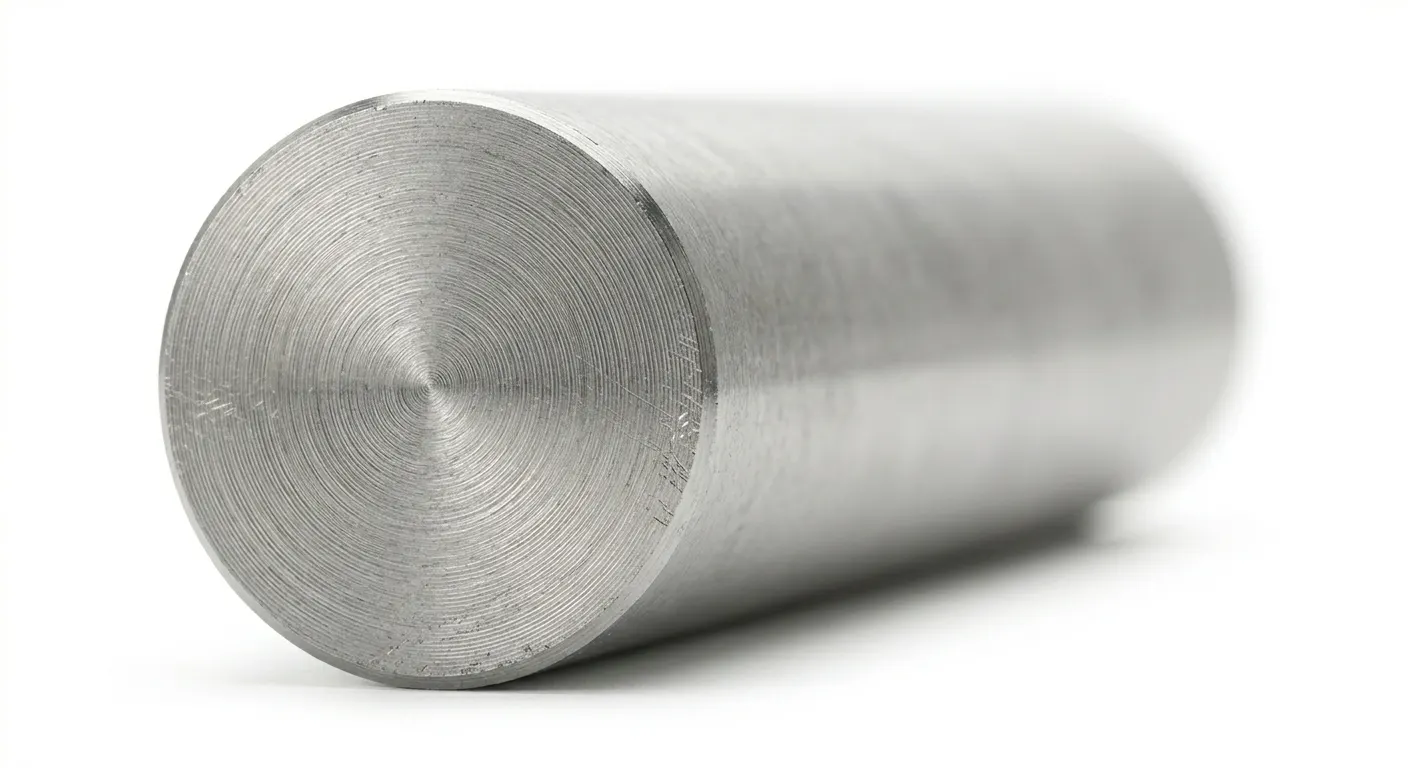
High-Precision Grade 416 Stainless Steel Round Bars for CNC Machining
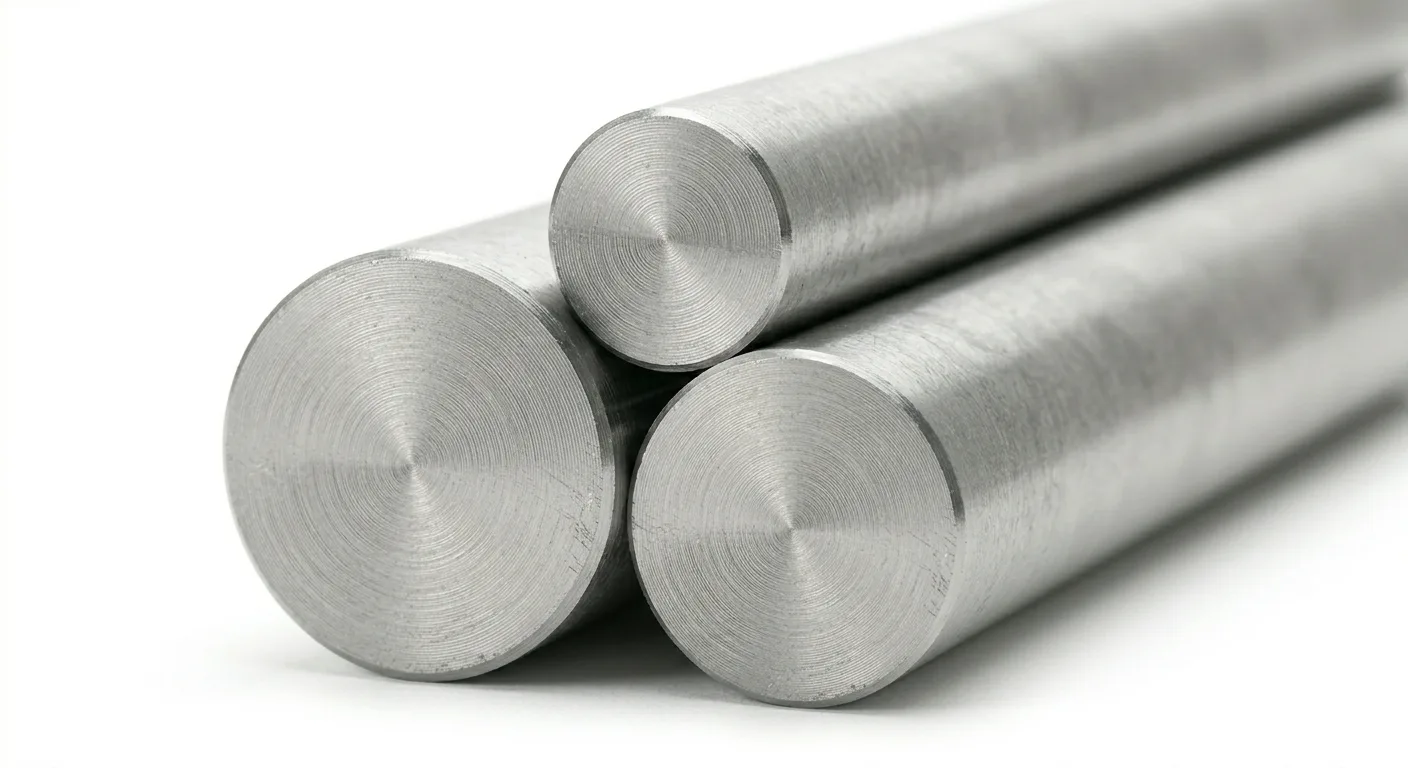
Bulk AISI 416 Stainless Steel Round Bars: Ready Stock for Fast Delivery

Certified Quality: ASTM A276 AISI 416 Stainless Steel for Demanding Engineering
Buy Premium AISI 416 Solid Rods Directly from Mumbai Stockyard
By sourcing your high-machinability martensitic alloys directly from The Steel House India, you completely bypass middle-tier trading margins and gain direct access to fast regional and international fulfillment paths. Our strategic presence in Maharashtra enables streamlined logistics, allowing our internal freight teams to coordinate rapid domestic shipping across India's core engineering corridors—including Pune, Ahmedabad, Chennai, and Delhi—and streamlined international ocean export via nearby major deepwater ports. Whether you are supplying a local fastener manufacturing unit or managing a global automotive equipment project, our inventory is positioned to minimize lead times significantly.
Complete Range of Available Surface Finishes
Different engineering layouts, complex machining operations, and high-speed CNC designs require distinct surface topologies to properly interface with structural components or seal boundaries.
■ Cold Drawn (Bright Finish):
This finish exhibits sharp dimensional accuracy combined with a smooth,
highly reflective outer surface layer. It is excellent for direct loading
into high-speed CNC automated lathes, significantly minimizing custom setup
times during mass production runs.
■ Centerless Ground & Polished:
Engineered specifically for micro-precision operations, this option offers
exceptionally tight diameter tolerances. The grinding process completely
eliminates surface decarburization layers, ensuring uniform structural
hardness across the entire cross-section of the shaft.
■ Rough Peeled / Smooth Turned:
The outer mill skin is systematically stripped away down to a sound,
defect-free metallurgical core. This method is typically utilized for
heavy-diameter forged shafts destined for secondary forging, heavy
machining, or critical structural re-processing.
■ Black Hot Rolled:
Supplied directly from the mill infrastructure following standard hot
rolling and industrial descaling treatments. It is best suited for basic
components where secondary machining or high-aesthetic visual finishes are
not required.
Why Engineering Procurement Teams Trust The Steel House India
Procuring high-machinability alloys for precision equipment requires a
dependable supplier capable of backing physical material claims with
verifiable testing infrastructure. We eliminate supply-chain risks for your
facility through three rigid quality evaluation metrics:
1. Positive Material Identification (PMI):
Our internal quality desk subjects every single incoming and outgoing
production batch to handheld PMI spectrometer testing. This process
guarantees that the critical sulfur distribution and chromium content (12.0%
to 14.0%) are perfectly balanced, ensuring consistent machinability and
corrosion performance.
2. EN 10204 3.1 Traceability Compliance:
Every shipment dispatched from our warehouse facility is accompanied by
authentic Mill Test Certificates (MTC). This standard industry documentation
provides full trace-history transparency back to the original furnace heat
number, specifying exact chemical analysis, mechanical elongation
thresholds, and non-destructive ultrasonic testing outcomes.
3. Heavy Freight Transit Protection:
Our dedicated Mumbai logistics desk ensures that all bars are bundled
face-to-face to prevent friction, wrapped tightly in moisture-resistant HDPE
plastic, and securely packed in rigid wooden crates or steel-banded pallets,
ensuring your materials arrive with surface integrity intact.
Technical Specifications & Grade Profile
The engineering reference tables below outline the structural metrics, international standard naming conventions, and mechanical properties adhered to by The Steel House India.
1. Manufacturing Scope and Standard Compliance
| Manufacturing Feature | Operational Parameter & Standard Baseline |
|---|---|
| Material Specifications | ASTM A276, ASTM A479, ASME SA276, ASME SA479 |
| International Standards | EN, DIN, JIS, ASTM, BS, ASME, AISI, IS, GOST |
| Diameter Sizing Range | 3mm to 500mm (Standard Metric & Imperial Sizing Available) |
| Dimensional Tolerances | h8–h12 / k9–k12 (Conforming to ASTM A484) |
| Value-Added Processing | Production Bar Cutting, Centerless Grinding, Turn/Ground/Polishing, Chamfering |
2. International Material Grade Equivalents
| Standard Grade | UNS Designation | Werkstoff Number (WNR) | Euronorm (EN) |
|---|---|---|---|
| AISI 416 | UNS S41600 | 1.4005 | X12CrS13 |
3. Chemical Composition Limits (% by Weight)
| Element | Certified Value Limit (416) | Element | Certified Value Limit |
|---|---|---|---|
| Chromium (Cr) | 12.00 – 14.00% | Carbon (C) | 0.15% Max |
| Sulfur (S) | 0.15% Min | Manganese (Mn) | 1.25% Max |
| Silicon (Si) | 1.00% Max | Phosphorus (P) | 0.06% Max |
4. Mechanical & Physical Property Profile
| Mechanical Property Parameter | Certified Minimum Value Threshold |
|---|---|
| Ultimate Tensile Strength | 500 – 850 MPa (Depending on heat treatment) |
| Yield Strength (0.2% Offset) | 275 – 600 MPa |
| Hardness (HRC) | 25 – 40 HRC (Heat Treated) |
| Melting Point Profile | 1480°C – 1530°C |
📐 Sizing Matrix & Theoretical Weight Formula
To determine the precise theoretical mass of a stainless steel solid
round bar per linear meter, engineers utilize the following geometric
constant formula:
$$\text{Diameter (mm)} \times \text{Diameter (mm)} \times 0.00623 =
\text{Weight in Kilograms per Meter (Kg/m)}$$
| Diameter (mm) | Weight (Kg/m) | Diameter (mm) | Weight (Kg/m) |
|---|---|---|---|
| 10 | 0.62 | 50 | 15.58 |
| 20 | 2.49 | 80 | 39.87 |
| 30 | 5.61 | 100 | 62.30 |
Strategic Applications Across Industrial Sectors
| Target Industry | Component Deployment | Structural Utility |
|---|---|---|
| Precision Machining | CNC machined parts, intricate fittings, bolts. | Exceptional machinability increases production throughput. |
| Fluid Power | Pump shafts, valve components, hydraulic fittings. | Maintains hardness and wear resistance in rotating parts. |
| Automotive & Electronics | Fasteners, connectors, motor shafts. | Provides reliable mechanical strength for high-speed components. |
Frequently Asked Questions (FAQ)
1. What is the main difference between 416 and 410 Stainless Steel?
416 is a free-machining grade with added sulfur (0.15% min), which significantly improves machinability, chip breaking, and tool life compared to 410. While 410 offers slightly better hardness, 416 is the preferred choice for high-volume CNC machining, turning, drilling, and threading operations.
2. Is 416 Stainless Steel magnetic?
Yes. AISI 416 is strongly magnetic in both annealed and hardened conditions, similar to 410. This makes it suitable for applications where magnetic properties are required.
3. Can 416 Stainless Steel be welded?
Welding 416 is generally not recommended due to its high sulfur content, which increases the risk of hot cracking. If welding is unavoidable, preheating (150–300°C), low-hydrogen electrodes, and post-weld heat treatment are essential. For better weldability, many customers choose 410 or 303 instead.
4. Why should I choose 416 over 303 Stainless Steel?
Both are free-machining grades, but they serve different needs. Choose 416 when you need high mechanical strength, hardness, and wear resistance (martensitic). Choose 303 when you need better corrosion resistance and non-magnetic properties (austenitic). 416 is ideal for precision machined parts where speed and tool life matter more than corrosion resistance.
5. Do you provide Mill Test Certificates (MTC) and PMI testing?
Yes. Every order of AISI 416 round bars comes with a genuine EN 10204 3.1 Mill Test Certificate and Positive Material Identification (PMI) testing to ensure correct chemistry and consistent machinability.
6. What are the main applications of 416 Stainless Steel Round Bars?
416 is widely used for high-volume precision components such as:
- CNC machined parts, gears, and shafts
- Pump shafts and valve stems
- Fasteners, bolts, and screws
- Automotive and textile machinery parts
Comparative Overview: Grade 416 vs. Grade 410 vs. Grade 303
| Feature | Grade 416 (Martensitic) | Grade 410 (Martensitic) | Grade 303 (Austenitic) |
|---|---|---|---|
| Primary Strength | Superior Machinability | High Hardness & Strength | Non-Magnetic & Good Corrosion |
| Machinability | Excellent | Moderate | Excellent |
| Hardness | Heat Treatable | Heat Treatable | Not Hardenable |
| Corrosion Resistance | Moderate | Moderate | Moderate/Good |
| Magnetic | Yes | Yes | No |
Selection Guidance:
Choose AISI 416 when your priority is high-volume CNC machining,
excellent machinability, and good wear resistance. It is ideal for precision
components like shafts, gears, bolts, and fasteners where production speed
and tool life are critical.
Choose AISI 410 for
structural and mechanical applications that require higher hardness and
moderate corrosion resistance, especially where machinability is secondary
to strength.
Choose AISI 303
when you need non-magnetic properties and better corrosion resistance in
mild environments, as it is an austenitic free-machining grade.
Request a Callback from Our Sourcing Desk
This commercial product page is managed by The Steel House India. For immediate product inquiries, direct bulk contracts, or to request a technical consultation, please forward your detailed material requirements to sales@steelhouseindia.com. Once received, a senior technical sourcing officer will review your specifications and contact you within two business hours to finalize your order.